
A leg length difference means one leg appears shorter than the other.
This may be due to either:
True leg length difference – the bones are actually different lengths
Apparent leg length difference – the bones are equal but posture or alignment makes one leg look shorter
True leg length difference
This occurs when one leg bone grows less than the other.
Possible causes
Many children are unaware and have no symptoms.
Apparent leg length difference
The legs are equal in length but look unequal due to alignment.
Causes
What symptoms may occur?
Children may complain of:
How is it assessed?
Imaging (most accurate)
These measure the difference precisely and identify where it originates.
Additional tests may include:
Treatment
Treatment depends on whether the difference is true or apparent and the predicted difference at maturity.
Non-operative treatment
| Predicted difference | Treatment |
| Less than 1 cm | Observation / activity modification |
| 1–2 cm | Insoles or shoe raise |
Many children only need monitoring.
Surgical treatment
Surgery is considered if the predicted difference is more than 2 cm.
Before growth finishes (operate on the longer leg)
Epiphysiodesis (temporary growth slowing)
Epiphysiolysis (permanent growth stop)
After growth finishes (operate on the shorter leg)
Limb lengthening
Treatment usually lasts several months until bone strengthens fully.
Key message for parents
✔ Small differences are common and often harmless
✔ Many children only need monitoring or shoe raises
✔ Surgery is reserved for larger differences
✔ Timing of treatment depends on remaining growth
Usually the cause is not known. Occasionally they can appear following an injury or repetitive injury to the joint or area.
People usually complain of a lump or swelling often on their foot or ankle, commonly seen on the top of the foot. Wearing shoes can rub on the lump and make them uncomfortable. On occasion the ganglion can be in close proximity to a small nerve. If the nerve gets compressed then patients can complain of numbness or discomfort in the area of skin the nerve supplies. With some ganglions, deeper under the skin for example they can cause a general ache or pain around a joint.
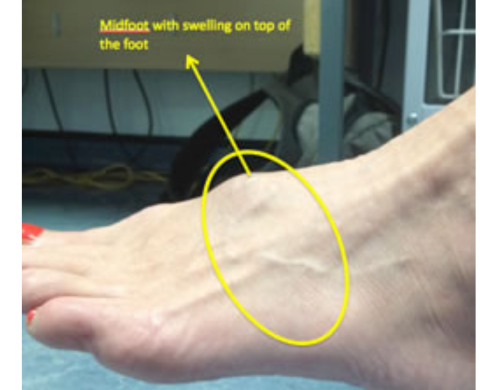
Clinical examination is often enough to diagnose this condition. X-Rays can be taken that may show underlying joint arthritis, but this is not typical. If the diagnosis is uncertain then an ultrasound or MRI scan can be done.
Symptoms from a ganglion are usually tolerated for a long time because the lump can appear and disappear and appear again. It can also gradually enlarge, making shoe-wearing difficult and cause a generalised foot ache.
3 options are possible:
1. Leave it alone, find more comfortable shoes, take pain relief as needed.
2. Opt for an needle aspiration in the clinic, this will get rid of the lump immediately but unfortunately it can recur in over 20% of patients and may need further surgery
3. Surgical excision. This is done as a day-case procedure through a small incision. There are small risks including infection (1%), damage to nerves close to the ganglion (5%) or recurrence (around 5-10%).
Many patients are simply seeking advice on managing a problem. If the lump is not really causing a large problem then you can leave it alone because they can disappear in some cases. If you have had an aspiration and it recurs then surgery is a good option. The surgery can then be discussed with your surgeon.
