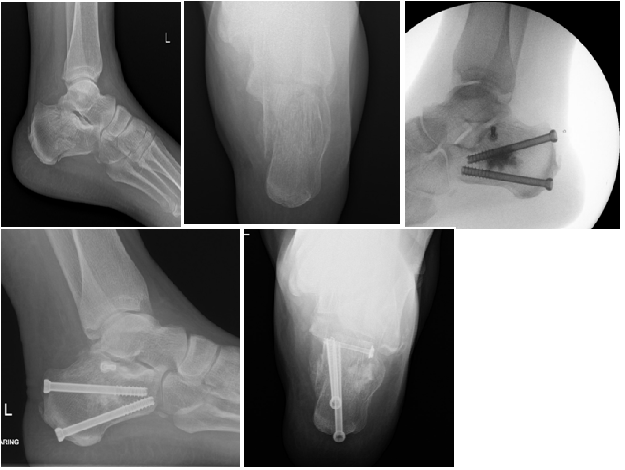
Mr Tiruveedhula specialises in the management of lower limb fractures in adults and children of all ages, as well as upper and lower limb fractures in children, excluding spinal fractures.
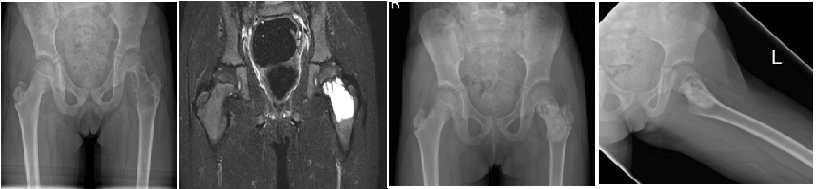
Most fractures in children are related to playground or sporting injuries. However, in a minority of cases, fractures may occur due to underlying weakness within the bone, such as bone cysts or other pathological conditions.
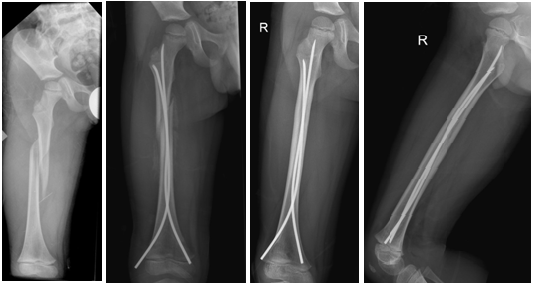
The majority of paediatric fractures can be treated successfully without surgery using plaster cast immobilisation. Surgical treatment is generally reserved for fractures that are significantly displaced or unstable and are unlikely to heal or remodel adequately with conservative treatment alone.
Many fractures in children involve the growth plate (physis), which is the growing part of the bone. These injuries require careful assessment and specialised treatment to minimise the risk of damage to the growth plate and to ensure normal future bone growth and alignment.
Fractures in adults commonly result from falls, sporting injuries, road traffic accidents, or falls from height. While some fractures can be managed non-operatively with immobilisation, many adult fractures require surgical fixation to restore alignment and stability.
One of the main advantages of surgical treatment is the ability to stabilise the fracture securely, allowing earlier mobilisation and rehabilitation. Early rehabilitation helps reduce joint stiffness, muscle wasting, and other complications associated with prolonged immobilisation, while supporting a faster return to normal function.